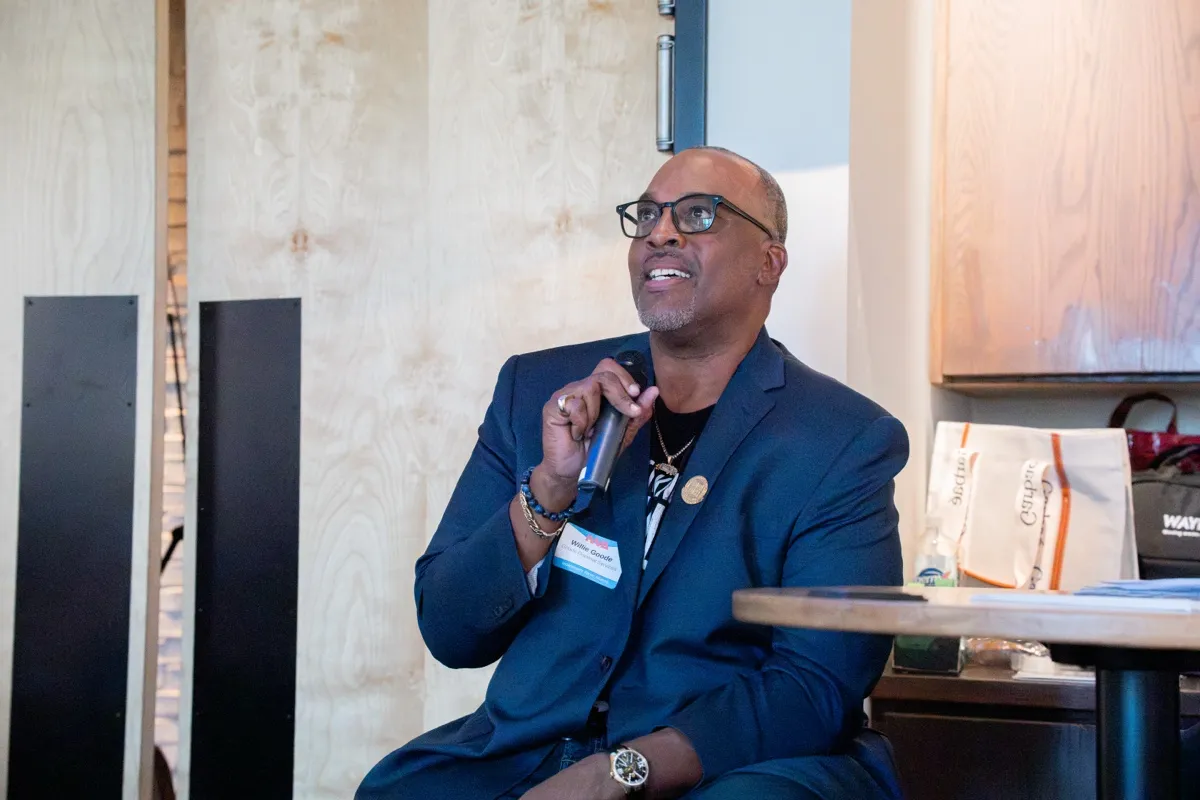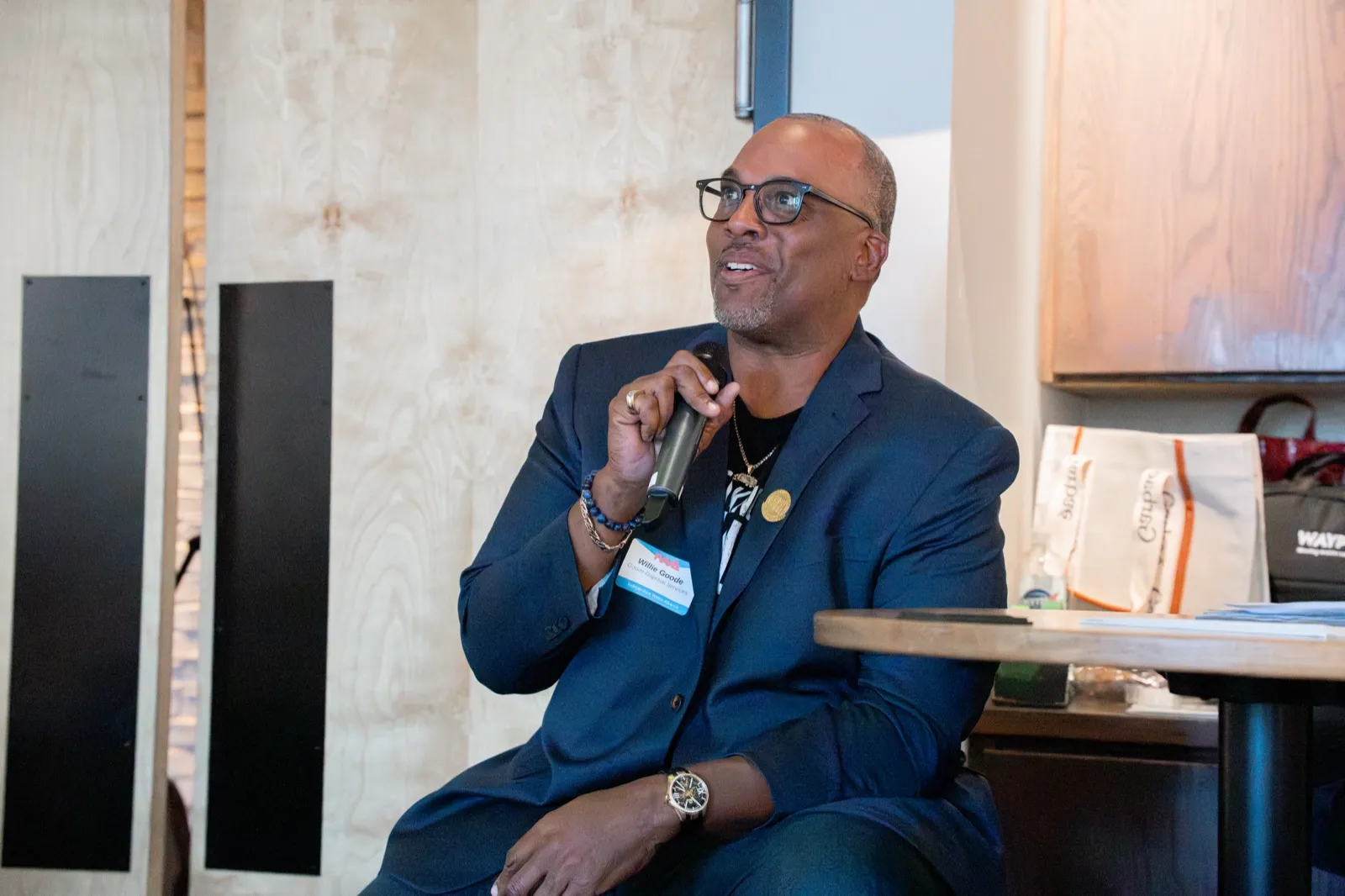
The first paycheck Willie Goode ever earned was $60, and he handed every dollar of it to his mother to help the family buy groceries.
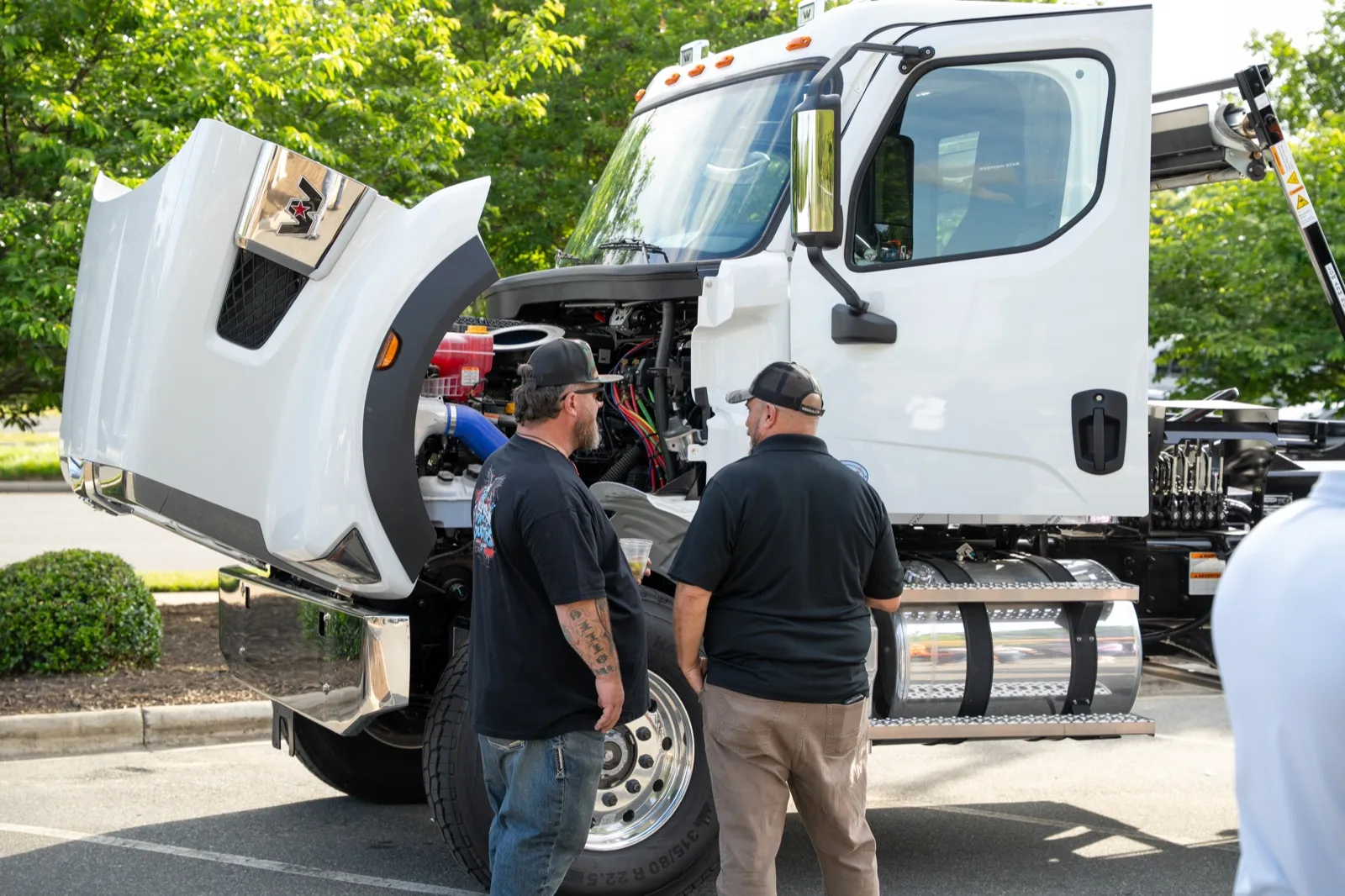
He was 13 years old. It was summer in Southeast D.C., and his mom didn't want him on the streets, so his Uncle Cliff put him on the back of his garbage truck instead. By 15, Willie was driving 16-speed trucks downtown, taking up the whole street just to back a 31-yard rear-loader into city alleys.
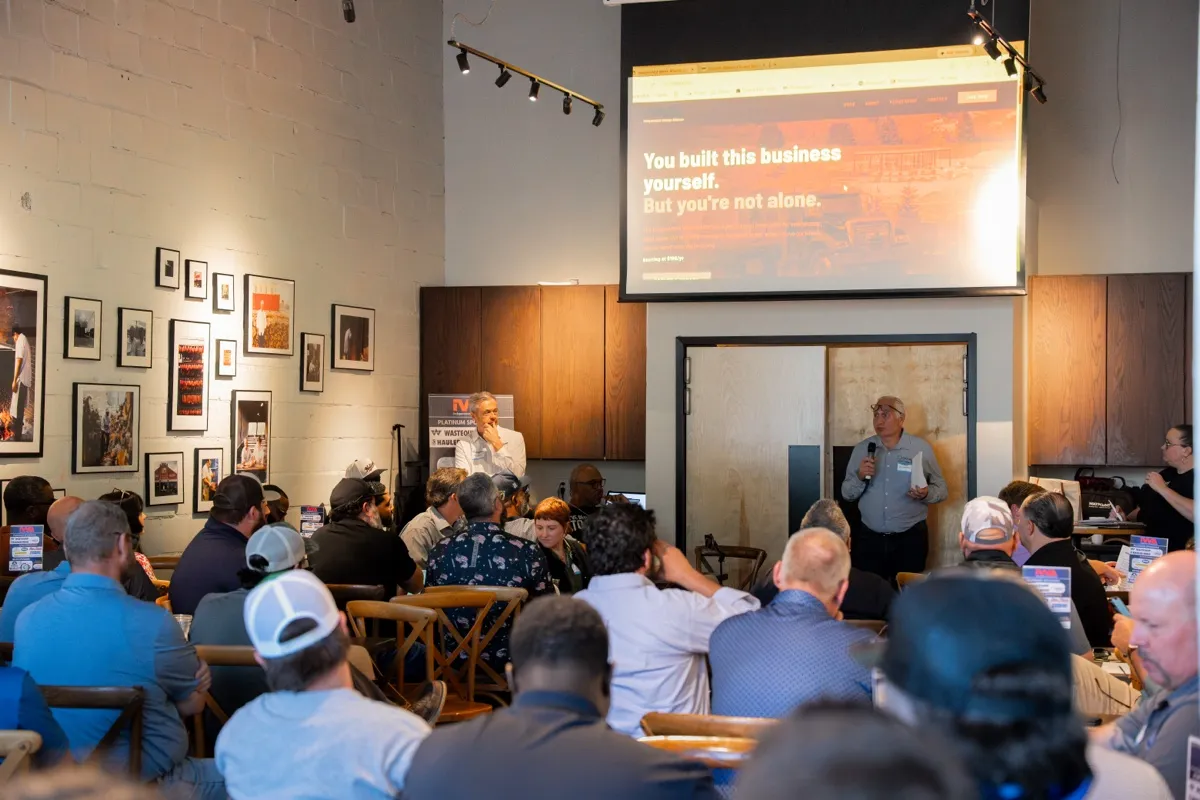
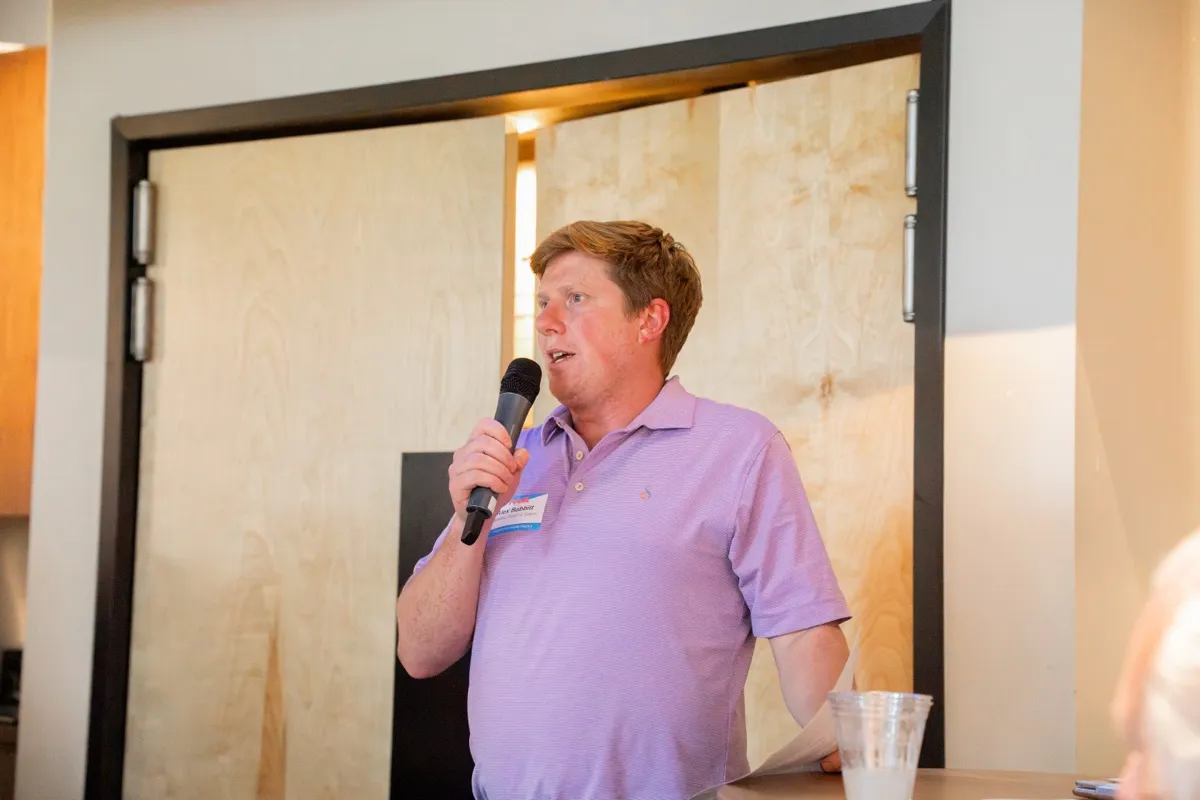
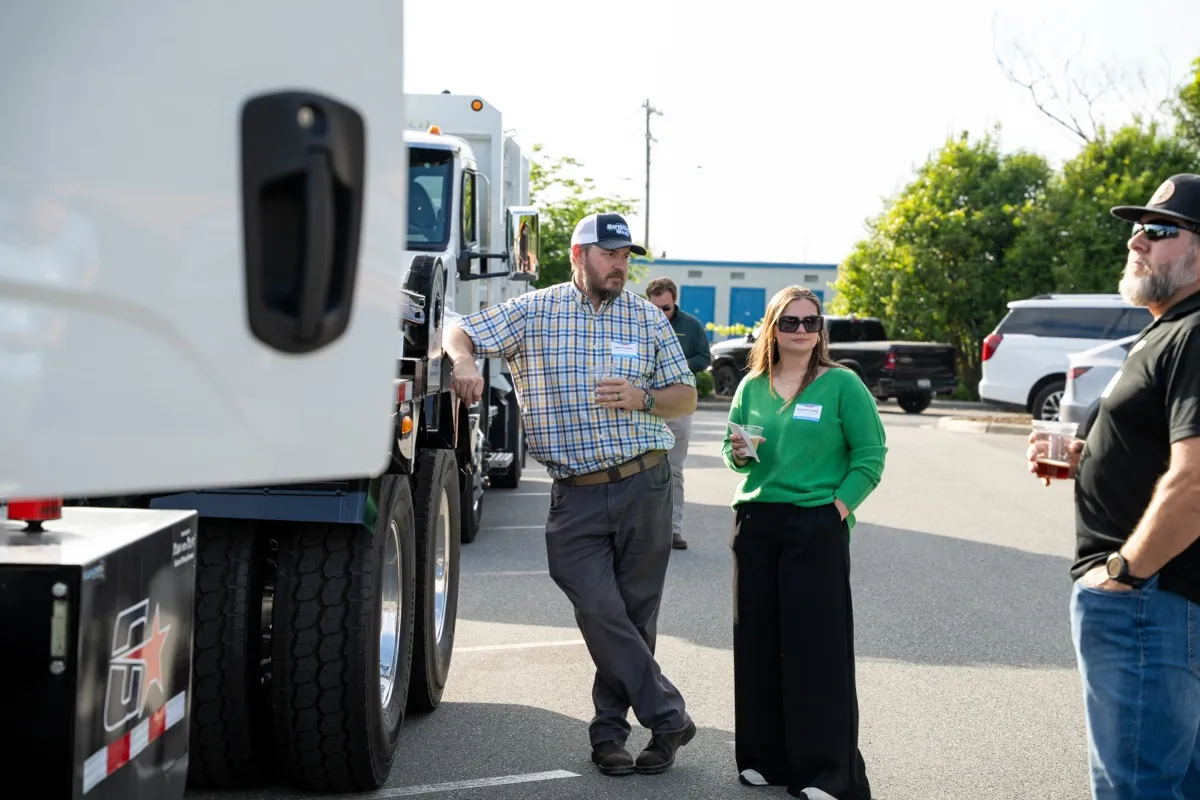
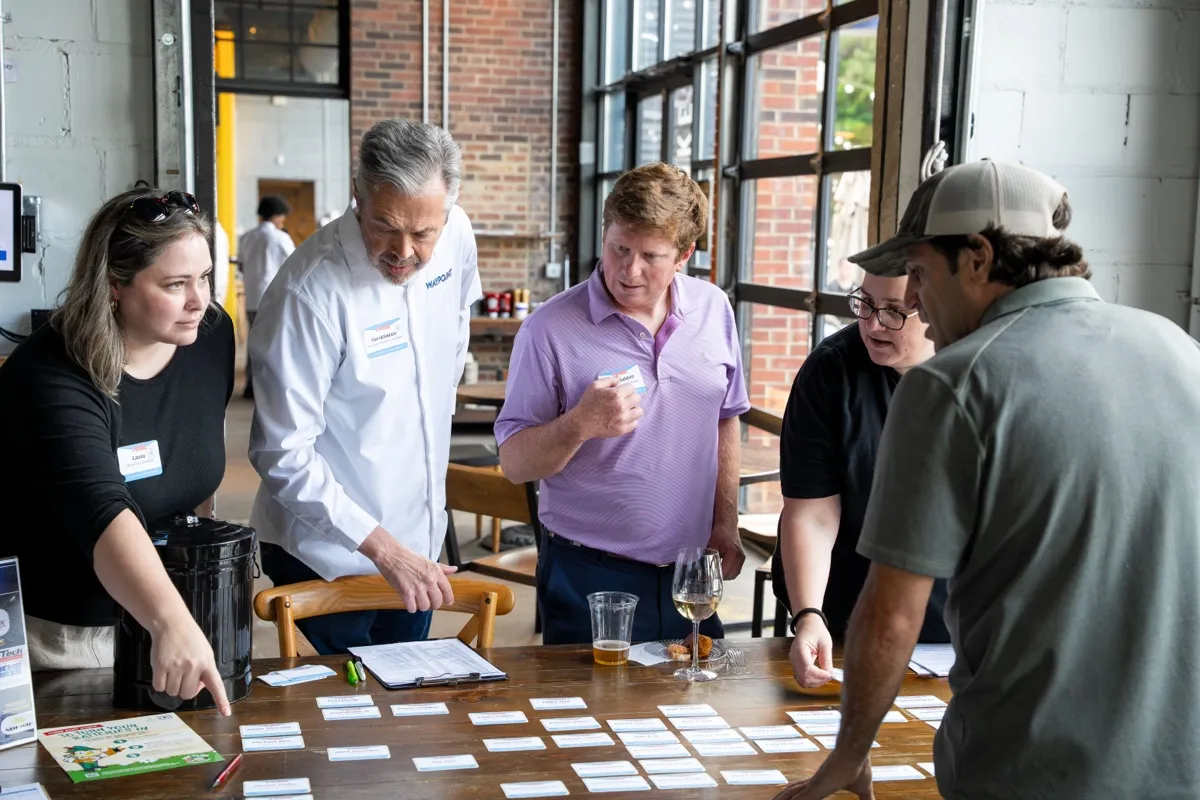
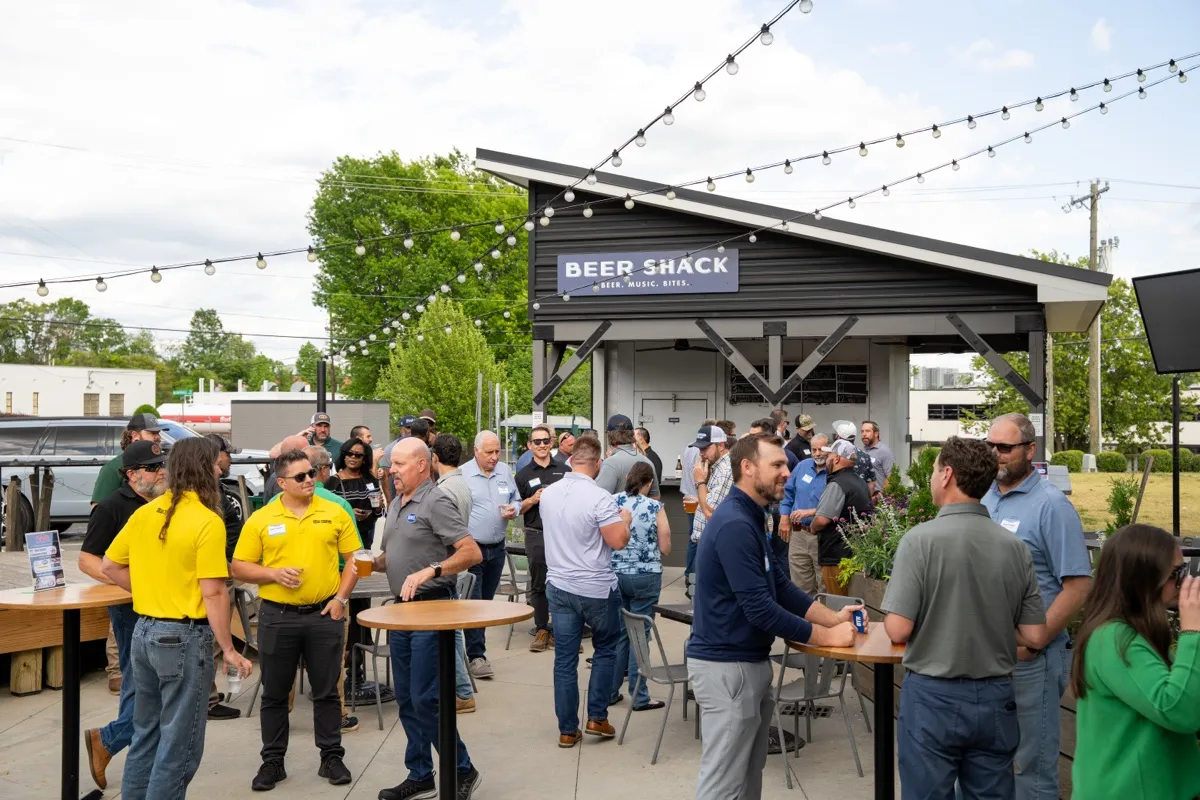
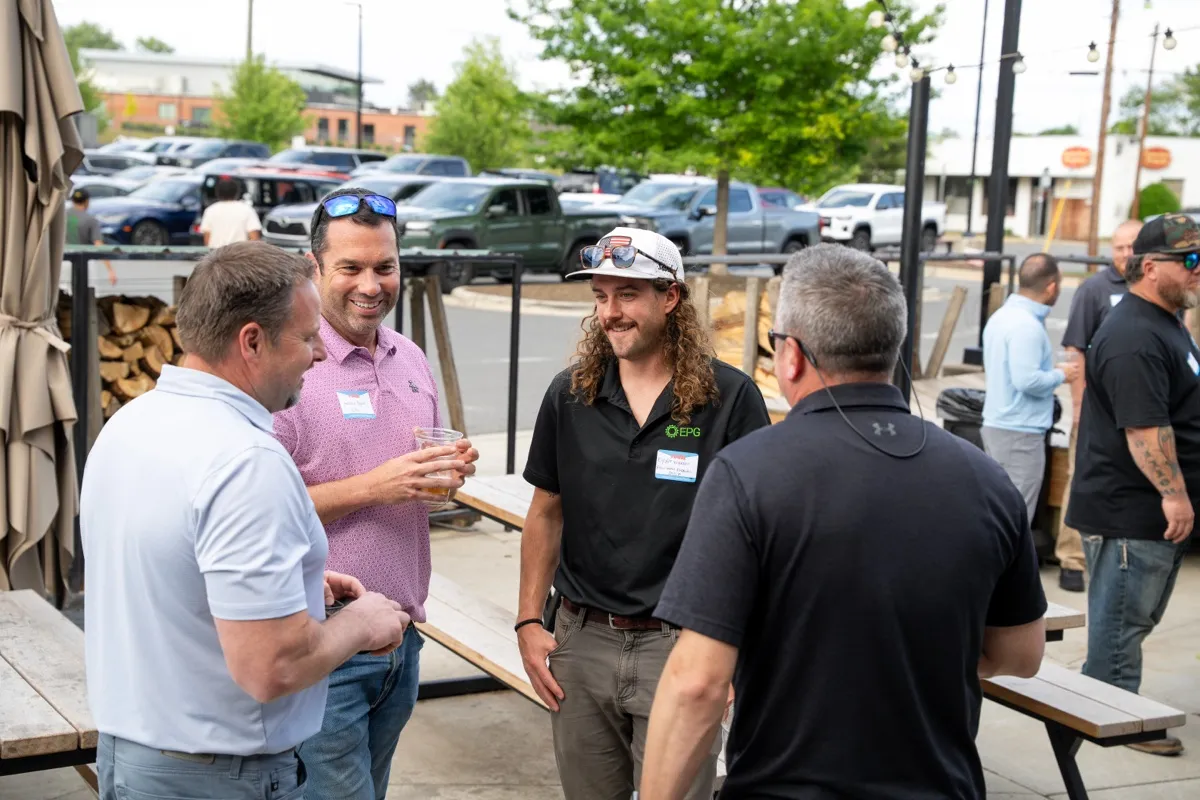
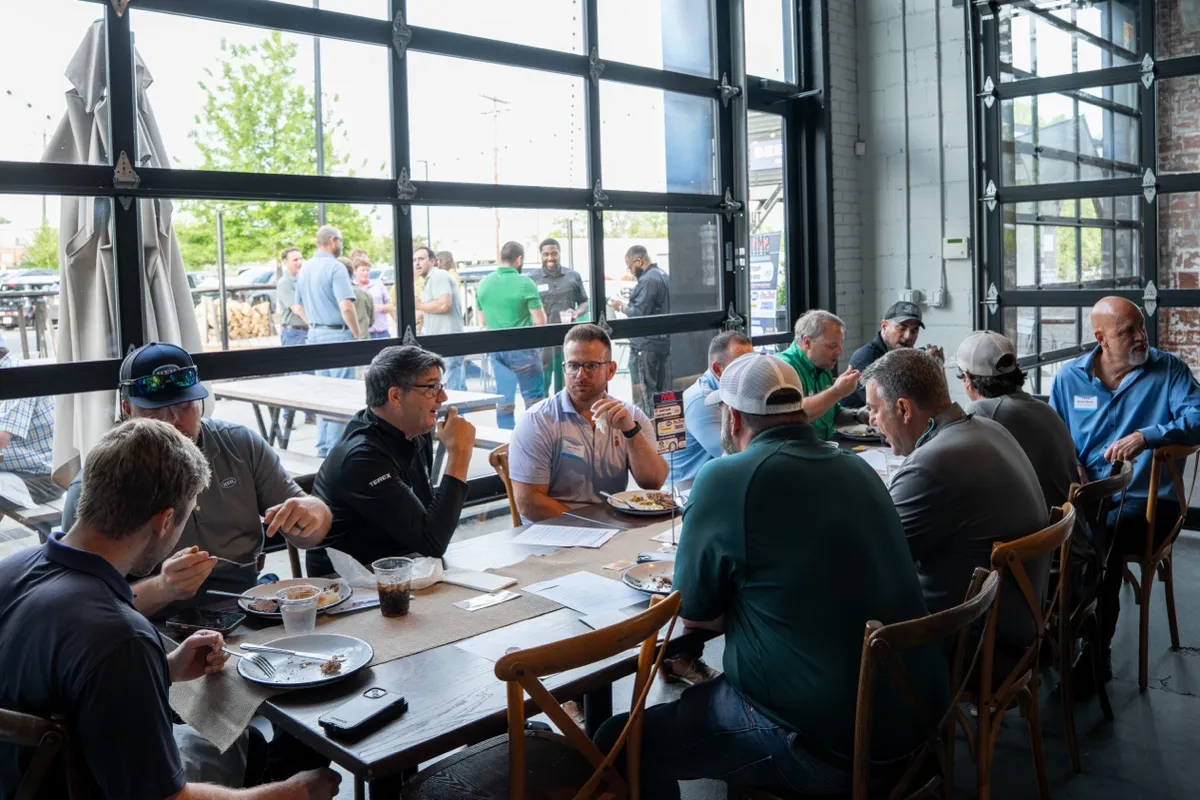
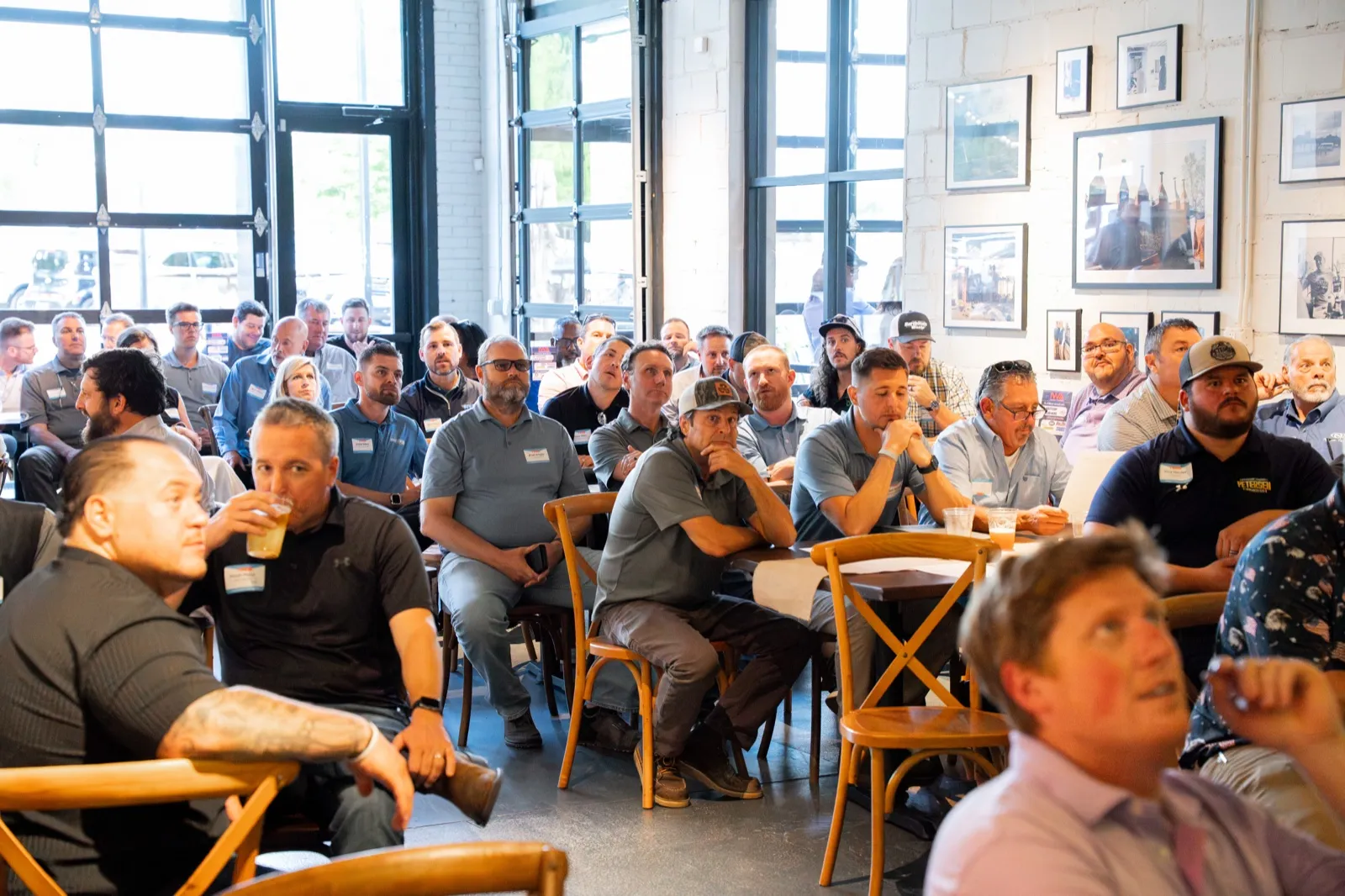
Today, Willie has put over 1,200 people on payroll. He's run 450 route trucks across D.C., Virginia, and Florida. He was inducted into the NWRA Hall of Fame in 2020. But when he sat down in front of a room of independent haulers at the IWA Charlotte kickoff, he didn't give a corporate presentation about EBITDA or strategic leverage.
He gave it to them straight. He talked about the mistakes, the lucky breaks, and the realities of the trash business. Here are six things worth paying attention to.
1. Your ceiling is probably in your own head
For a long time, Willie's ultimate goal was to own three trucks, just like his Uncle Cliff. Three trucks wasn't a stepping stone; it was the finish line.
Then one afternoon at a fuel station, he struck up a conversation with a guy driving a spotless, chrome-wheeled dump truck. Willie told the guy he ought to buy more trucks. The man shook his head and said, "I don't want the responsibility."
Willie got back in his cab and realized he was doing the exact same thing. He was holding himself to three trucks just because it was the number he was comfortable with. That day took the lid off his mental ceiling. After that, he started evaluating growth not by arbitrary numbers, but by asking a few simple questions: Is the timing right? Do I feel good about it? Do I have the team? Do I have the money? Do I have the willpower?
2. The night he almost quit (and the check that saved him)
Willie knows what it's like to be on the edge. Years ago, he was ignoring mail from the IRS because he thought it wasn't important. By the time the bank called to tell him his accounts were frozen by a tax levy, he was buried in penalties he couldn't afford.
That night, in the middle of a massive D.C. rainstorm, Willie stood outside for three hours. He made up his mind: he was done. He was going to call Waste Management the next morning, get a job driving a truck for them, and close the doors on his business.
But the next morning, before he made that call, he checked P.O. Box 598. Waiting inside was a $38,000 check from a customer. He cleared the lien, fixed the bank account, and kept the company alive. If he had thrown in the towel the night before, the 450 trucks, the Hall of Fame, and the legacy wouldn't exist. Sometimes, making it in this business just comes down to holding on for one more morning.
3. Stop assuming the "Big Leagues" are closed off
Willie owned a piece of heavy-industrial land, so he figured he could use it to dump and transfer trash. The state of Maryland disagreed. They caught him with 250 tons of garbage on the ground and gave him 24 hours to clean it up.
Trying to outsmart the system, Willie moved his dumping to the night shift. Three days later, the inspectors came back, this time with police and surveillance footage. Willie was bracing for jail time. Instead, the inspector looked at him and asked, "Mr. Goode, why don't you just go get a permit?"
Willie was stunned. He assumed permits were only for the giant, publicly traded corporations. It had never crossed his mind that an independent operator could just go down to the office and apply for one. So, he did the research, shook the right hands, and got the permit. Today, that site processes 1,300 tons a day and is the largest transfer station in the D.C. area. The lesson? Don't assume the next level of the industry is locked off to you just because you're an independent.
4. The other independent in town isn't your enemy
In 1996, a massive Montgomery County contract opened up requiring 13 trucks and a hefty bond. Willie couldn't swing it alone. Neither could his competitor, Bruce.
Instead of fighting over a bid that neither could afford to service, they sat down at a table and bid the route together. They won it. Willie picked the name "Unity," they designed a logo featuring a handshake, and they mixed Willie's blue trucks with Bruce's green trucks to paint the new fleet teal. Thirty years later, Unity runs 104 trucks a day and handles 90% of the county. Sometimes your biggest competitor is actually your best asset.
5. Grow your own team
Over 35 years, Willie has hired 1,200 people, and he explicitly calls them his "coworkers," never his employees. He didn't build a massive operation by poaching executives from corporate giants. He built it by giving guys a shot on the back of the truck, helping them get their CDLs, and moving them up into management.
When your leadership team actually knows what it feels like to run a route in the heat, you build a culture you can't fake. Turnover is the hardest part of the industry right now, but Willie's method proves that if you show your team a real path upward, they'll stick around to walk it.
6. A trash truck is a loaded gun
If there was one thing Willie wanted the room to take home, it wasn't about growth, routing, or money. It was safety.
“A trash truck is the second thing to a loaded gun.”
He's had to go to the funerals. He knows the weight of sitting in a living room and talking to a family that just lost someone. It's a weight that gets heavier, not lighter, as you grow.
Willie takes it so seriously that if he's driving down the road and sees a stranger on a competitor's truck standing on the back unsafely, he will literally pull over, get out, and tell them his story. He asks them to think about who is waiting for them at home.
If a guy with 450 trucks and a Hall of Fame ring still has the time to pull over and look out for a stranger's safety, the rest of us have no excuses. “Keep trucking, keep building, but make sure your people get home.”